
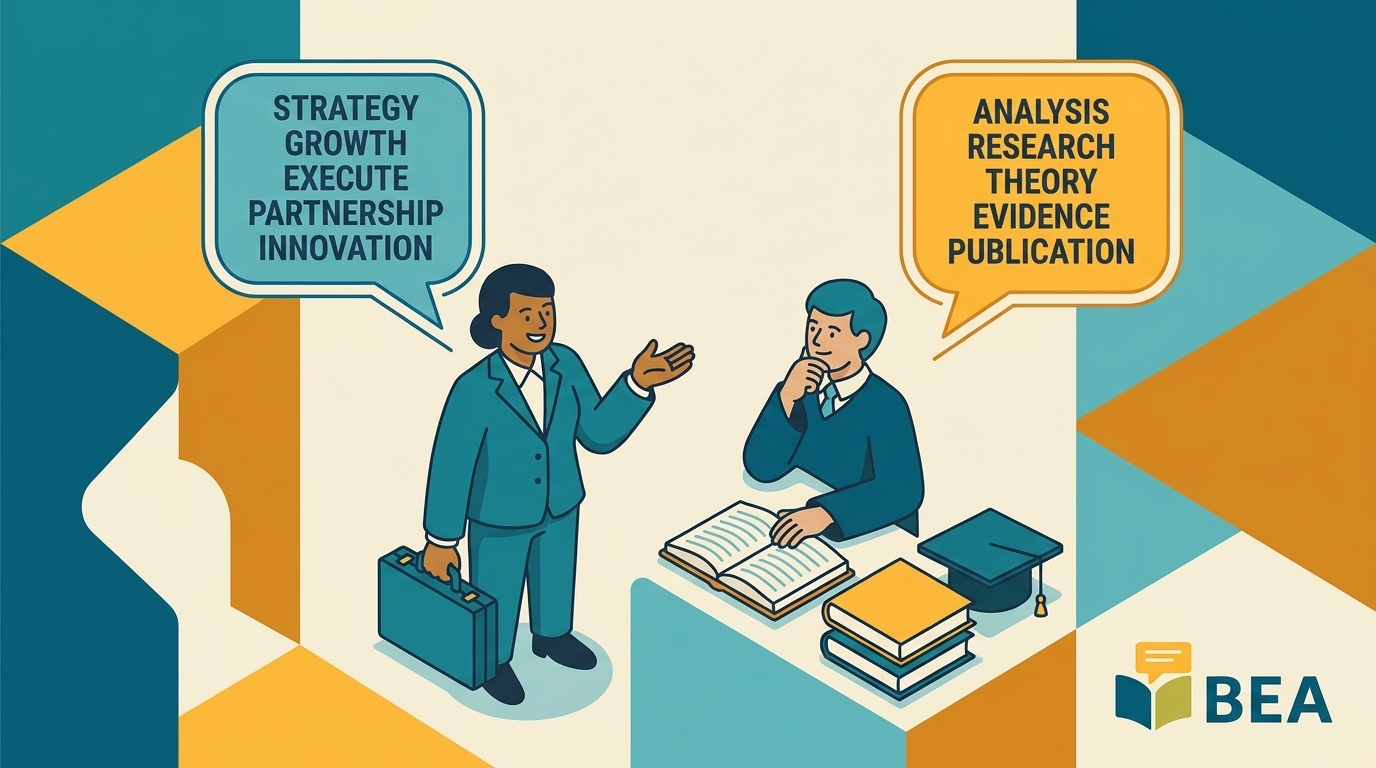
Most candidates preparing for an English test assume all assessments work the same way. They revise grammar rules, practise reading comprehension, and rehearse formal essay structures. However, a workplace English proficiency test measures something fundamentally different — the practical communication skills that actually drive performance on the job.
For employers and recruiters, this distinction is critical. Hiring someone with a strong academic English score does not guarantee they can write a concise briefing document, handle a difficult client call, or adapt their tone across professional contexts. In 2026, more organisations are recognising this gap. As a result, they are turning to purpose-built corporate assessments to close it.
What Makes a Workplace English Proficiency Test Different From Academic Testing
Traditional academic English exams — such as IELTS or Cambridge certificates — measure a candidate’s ability to perform under exam conditions. They test formal writing, reading comprehension of literary or academic texts, and controlled listening exercises.
By contrast, corporate English assessment evaluates language in context. The focus shifts to workplace scenarios: writing a professional email, interpreting a data report, or communicating clearly in a team meeting. These are the tasks employees face daily.
In practice, the gap between the two approaches is significant. According to the UK Government’s Employer Skills Survey, communication skills consistently rank among the most critical factors in hiring decisions. Meanwhile, many employers report that standard language qualifications do not reflect candidates’ actual workplace readiness. That mismatch leaves hiring managers guessing.
Furthermore, academic tests reward precision and complexity. Workplace English rewards clarity and efficiency. A candidate who writes elaborate, multi-clause sentences may score highly in an exam hall but confuse colleagues in a real meeting.
The 5 Competencies Employers Actually Need — and Why Exam Boards Rarely Test Them
A rigorous workplace English proficiency test focuses on five core competencies that academic assessments typically overlook.
1. Professional Writing Register
Register means choosing the right tone and style for your audience. Candidates must switch between a formal supplier email, an internal Slack message, and an executive summary — often on the same day.
2. Verbal Clarity Under Pressure
Academic speaking tests use prepared topics. In contrast, workplace assessments present unexpected scenarios — a client complaint or an urgent briefing. These measure how clearly candidates communicate when stakes are high.
3. Reading for Business Purpose
Employees rarely read for pleasure at work. They skim reports, extract key data, and respond quickly. Moreover, a workplace English proficiency test evaluates this selective, purposeful reading skill rather than deep literary analysis.
4. Listening and Comprehension in Realistic Contexts
Academic listening tests use scripted audio in quiet conditions. By contrast, corporate assessments use audio that reflects real meetings — interruptions, accents, and colloquial language included.
5. Error Awareness and Self-Correction
In professional settings, employees must proofread their own output. Therefore, strong assessments present candidates with flawed professional documents and ask them to identify and correct errors in context.
Notably, BEA English Assessment designs its evaluations around exactly these five competencies. You can explore how BEA English Assessment measures workplace readiness across each of these dimensions before commissioning an assessment for your team.
FAQ: Common Questions Candidates Ask About Corporate vs Academic English Tests
Q: I already hold an IELTS score. Do I still need a workplace English proficiency test? A: Yes, in most cases. IELTS measures general language ability, not job-specific communication. Your employer or recruiter may require a separate assessment that reflects the demands of the actual role.
Q: How long does a corporate English assessment take? A: Most workplace-focused tests run between 45 and 90 minutes. They prioritise quality of response over volume. That said, this mirrors how professionals actually work rather than rewarding quantity.
Q: Will I be tested on grammar rules and vocabulary lists? A: Not in isolation. Grammar and vocabulary appear within realistic tasks — drafting an email or correcting a report — rather than as standalone exercises.
Q: Can candidates prepare for a workplace English test? A: Absolutely. Practise writing professional emails, reading business articles, and listening to workplace audio. Focus on clarity over complexity.
Getting Started With a Workplace-Focused Assessment
If you are an employer or recruiter evaluating candidates in 2026, choose an assessment built for your context — not a repurposed academic exam. Review the tasks, scenarios, and competencies the test covers before selecting a provider.
In addition, consider whether the assessment reports give you actionable insight. A score alone tells you little. You want to know how a candidate communicates and where their gaps lie.
Conclusion
The difference between academic and workplace communication is real, measurable, and consequential for hiring outcomes. Consequently, a dedicated workplace English proficiency test gives employers and candidates a far more accurate picture of job-ready language skills than any traditional exam can provide. See how a workplace-focused English assessment fits your hiring process — visit BEA English Assessment to learn more.