
Recruitment fraud is rising sharply. In 2026, the UK’s Action Fraud service reports that job-related scams cost victims millions of pounds each year. Fraudsters increasingly impersonate legitimate assessment providers. A fake BEA test scam follows a familiar pattern: a candidate receives an urgent request, pays money to an unofficial source, and receives nothing verifiable in return. If you have been asked to complete a BEA English Assessment as part of a job application, knowing what is genuine — and what is not — could save you money and protect your career.
The BEA English Assessment is a trusted, employer-commissioned language test used across UK recruitment. Because it carries real weight with hiring managers, it has become a target for imitation. This article explains exactly how to identify a fraudulent request and what to do about it.
Red Flags That Signal a Fake BEA Test Scam During Recruitment
Not every suspicious detail is obvious. However, certain warning signs consistently appear in fraudulent requests.
The most common red flag is payment to a third party. Legitimate BEA assessments always cost £99, paid directly to BEA English Assessment at beaenglish.co.uk. If anyone asks you to pay a recruiter, a WhatsApp contact, or an unfamiliar website, treat this as fraud immediately.
In addition, watch for unofficial communication channels. Genuine BEA invitations come from verified employer or agency email addresses, not from personal Gmail or Yahoo accounts. Fraudsters often use urgency as a tactic. Phrases like “pay within two hours or lose the role” are designed to prevent you from thinking clearly.
Furthermore, fake test links may direct you to sites that look similar to official pages. These sites often use slightly misspelled URLs or lack HTTPS security. Always check the browser address bar before entering personal information.
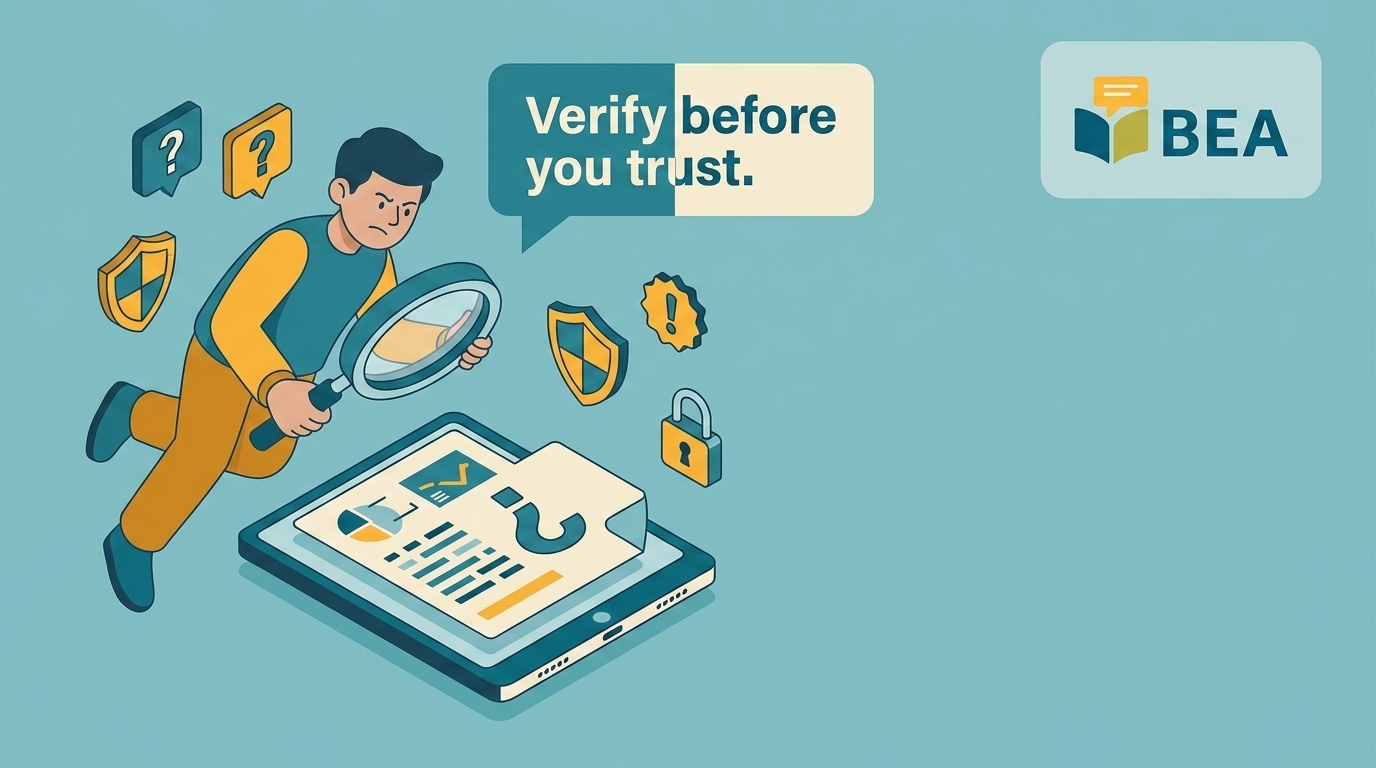
Consequently, a fake BEA test scam can cause real financial and reputational harm. Always pause and verify before acting. Taking thirty seconds to check the URL could protect both your money and your job prospects.
Finally, consider the context. According to the UK’s National Cyber Security Centre, recruitment fraud frequently targets candidates who apply through unverified third-party job boards. If you cannot confirm that an employer genuinely commissioned your assessment, that itself is a red flag worth acting on.
What a Legitimate BEA Assessment Journey Actually Looks Like
Understanding the real process makes it far easier to spot a fake BEA test scam at a glance.
A genuine BEA journey begins with a verified employer or recruitment agency. They commission the assessment through official BEA channels and then invite you, the candidate, by name. You receive a clear, professional email directing you to BEA English Assessment — the only official platform.
In practice, you pay £99 directly on the BEA website using a secure payment method. No intermediary handles your money. After completing the assessment online, BEA generates a verifiable result certificate. Your employer or recruiter can confirm this certificate is authentic through BEA’s own verification system.
By contrast, fraudulent versions of this process typically skip one or more of these steps. You may be sent a PDF “certificate” with no traceable reference number. Alternatively, you may be directed to a third-party platform with no connection to BEA whatsoever.
Notably, BEA English Assessment never cold-contacts candidates without a prior employer relationship. If you received a BEA request but have not applied for any role recently, this alone warrants investigation.
Steps Candidates Should Take If They Suspect a Scam
If something feels wrong, act quickly and do not ignore it. Follow these steps immediately.
Step 1 — Stop all payment. Do not transfer any money until you have independently verified the request. Contact the employer or agency directly using contact details you find yourself. Do not use details provided in the suspicious message.
Step 2 — Report it. In the UK, report recruitment fraud to Action Fraud at www.actionfraud.police.uk by calling 0300 123 2040 or using their online reporting tool. Reporting protects other candidates facing the same scam.
Step 3 — Verify with BEA directly. Contact BEA English Assessment through the official website. BEA’s team can quickly confirm or deny any legitimate request linked to your details.
Step 4 — Protect your data. If you have already entered personal information on a suspicious site, change any shared passwords. Also monitor your bank account carefully.
Conclusion
A fake BEA test scam is designed to exploit trust in a credible assessment brand. However, the genuine process is straightforward and transparent. Take the only real BEA English Assessment at beaenglish.co.uk, pay £99 directly to BEA, and receive a verifiable, fraud-protected result that employers across the UK recognise and trust.